
Two fundamental principles should guide public universities when creating regulations for religious student groups. First, universities have the authority to regulate student organizations. Second, universities must protect students’ right to practice their religion freely. Women of Victory at Virginia State University v. Branch (2026) raises questions about where to draw the line between these two principles. In this case, two Christian student organizations accuse Virginia State University (VSU) of religious discrimination after the university introduced a policy that removed their official recognition and required them to get permission before holding events. Based on the allegations in the complaint, I believe VSU's policy raises concerns about religious neutrality and whether its rules are generally applicable to all student organizations.
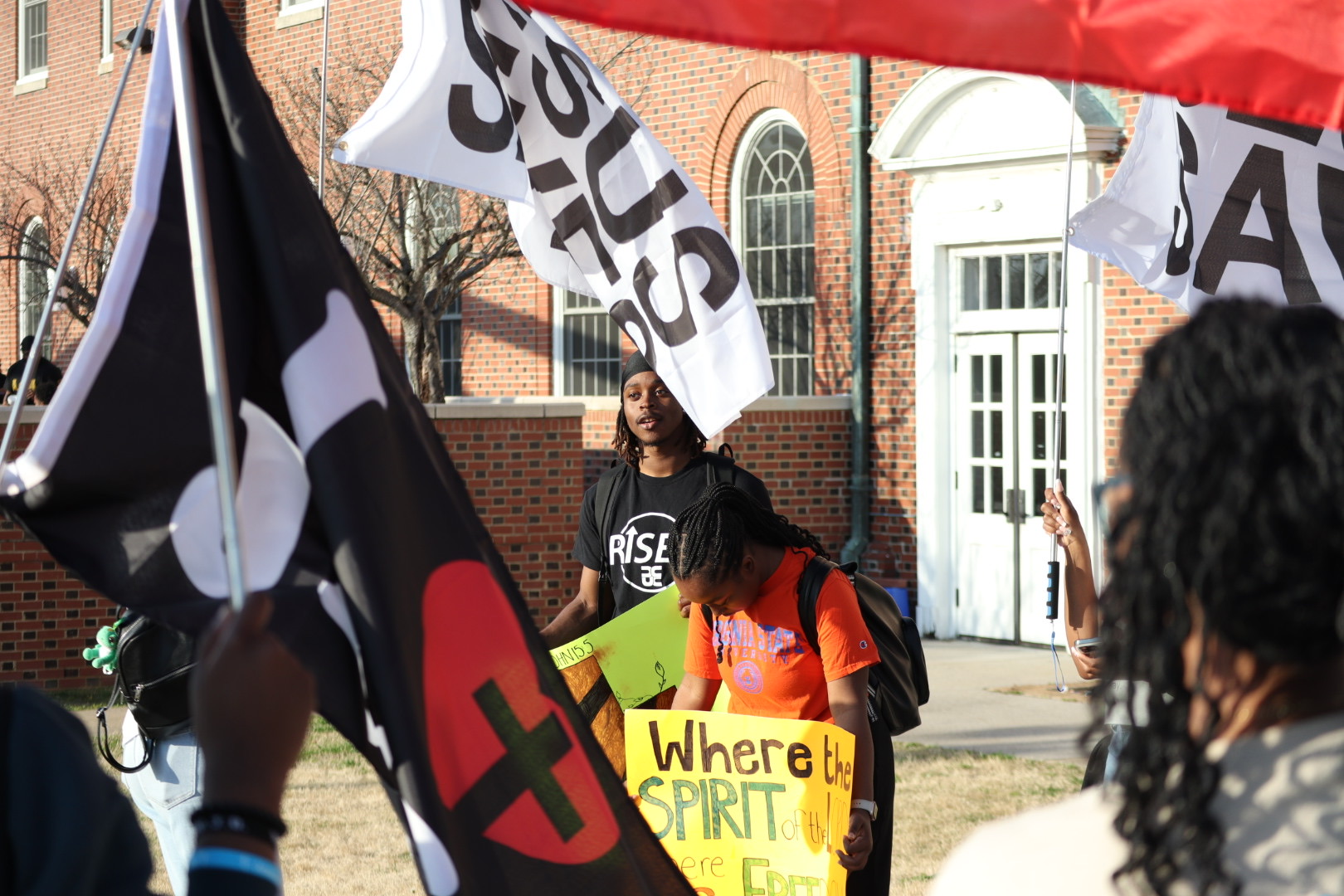 Before this policy, Women of Victory and Bethel Campus Fellowship were registered student organizations at VSU. They could organize Bible studies, host events, and maintain relationships with their national organizations. However, when VSU introduced the new policy, both Christian groups lost their registered status and were placed under the authority of a university-appointed Campus Minister. They needed permission to hold events, invite guest speakers, and organize fundraising activities. The court stated that the Muslim Student Association and VSU Community Faith Alliance could continue operating independently. These cases show that the university did not enforce the policy uniformly. Because certain religious groups were allowed to operate independently while Christian groups were not, the university treated the groups differently.
The Women of Victory organized an informal pajama party over Labor Day weekend. The complaint says Campus Minister Thomas Wynn criticized the group's leader for organizing the party without prior approval. The policy is alleged to have been enforced in similar cases involving Christian students. If other organizations could hold similar gatherings without permission, it would raise additional concerns about whether VSU enforced its rules neutrally. The Christian student groups sued the university in federal court on September 24, 2026. The students argued that the university violated their First Amendment rights. The two main constitutional issues are whether the policy itself is unconstitutional or whether the university is enforcing it unconstitutionally. VSU argues that the policy was developed to coordinate and manage religious activities on campus. According to Campus Minister Wynn, VSU aimed to offer guidance to students from various religious backgrounds. The right to freedom of religion prevents discrimination based on personal beliefs. I believe that the inequality shown by the university when dealing with Christian clubs is highly discriminatory and has violated the provisions of the Constitution. Even if VSU had good reasons for this policy, it needed to ensure the regulations were generally applicable.
An important case for understanding this issue is Christian Legal Society v. Martinez (2010). In Martinez, Hastings College of the Law did not officially recognize the Christian Legal Society because its membership requirements violated the school's policy and required registered organizations to accept all students. The Christian group argued that the university discriminated based on religious belief. However, the Supreme Court disagreed, and the majority ruled that Hastings' policy was reasonable and neutral because it applied equally to every student organization. The Court explained that the Christian Legal Society was asking for an exception to a rule everyone else had to follow. The policy's equal application was important because the university did not single out Christian students for different treatment.
Martinez's reasoning is relevant here when considering VSU's policy. Both cases revolve around Christian groups being denied some benefit because of their officially recognized status. The only distinction here is whether the university treats all groups equally. In Women of Victory, the plaintiffs argue that the university restricts Christian groups and allows other religious groups to remain independent. While the plaintiff in Martinez sought an exemption from the rule that applied to all groups, Women of Victory and Bethel Campus Fellowship seek to be treated the same as all other groups.
This policy raises constitutional issues. Muslim Student Association will maintain its independence, but the Christians have to be monitored by the university. The policy does not state that Christianity is being targeted, but the exemptions it provides lead to discrimination. The university's application of this policy is also an issue. It requires Christians to seek permission for any gathering, unlike others.
I side with Women of Victory and Bethel Campus Fellowship because I do not think public universities should place greater restrictions on Christian organizations than on other religious groups. VSU has the authority to establish reasonable rules for student activities, but those rules must be neutral and applied consistently. Under Christian Legal Society v. Martinez, a university can restrict a religious organization as long as it applies equal rules to all. VSU has crossed its constitutional boundaries by treating certain religions differently.
Sources:
https://adflegal.org/article/women-of-victory-explainer/
https://adfmedia.org/case/women-of-victory-at-virginia-state-university-v-branch/


